How to Get So Good at Valorant It Feels Like Smurfing in Every Ranked Lobby
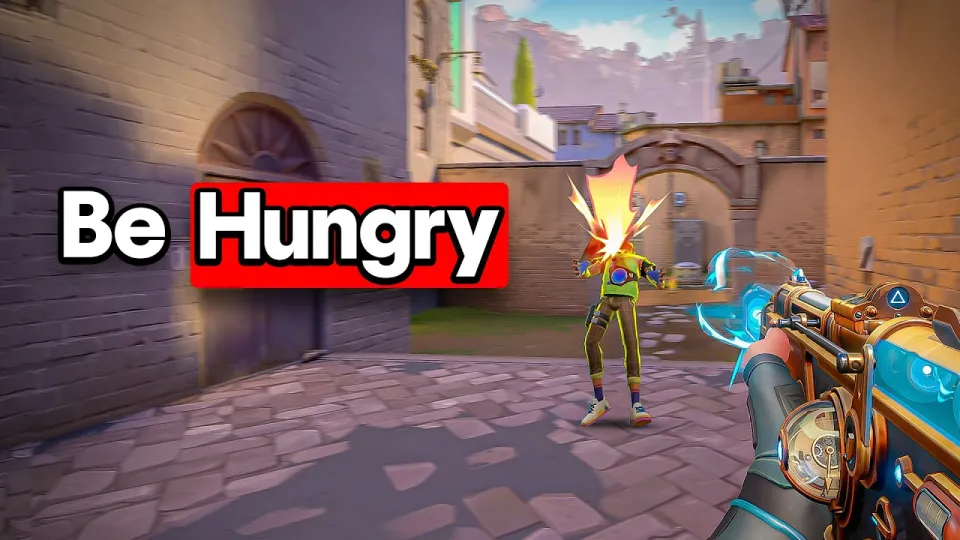
Video: How to Get So Good at Valorant it Feels Like Smurfing
Want articles like this for your own video to promote it on YouTube and Google? Order them through the Telegram bot @sat_sit_bot. It writes articles around your video, embeds the video and publishes them on popular niche websites (no ads). Your first 50 articles are free.
· based on the channel Konpeki
If you want to get so good at Valorant that you feel like a smurf, stop trying to out-predict your opponents and start reacting to what they actually do, then make yourself hard to predict in return. That single shift — reaction over prediction, plus deliberate unpredictability — is what separates a player who is stuck from one who looks two ranks above the lobby. Everything below is a practical breakdown of that idea: how to train it, how to apply it in ranked, and how to build a repeatable process around it. If you want a structured route to the same result, Konpeki's Immortal Roadmap Program is built around ranking up 500 RR in 10 weeks with coaching support.
Why reacting beats predicting in Valorant
Predicting is a trap that feels like skill. You assume the enemy will hold the same angle, push the same timing, or rotate on the same cue — and when you are right, you feel smart; when you are wrong, you die for free. Reaction-based play flips that: you gather information first (sound, minimap, utility, teammate contact), then commit to an action that answers what is actually happening. In practice this means holding angles with a plan to fall back, using utility to force a reaction rather than to guess, and only taking a duel when you have a reason to believe you win it. Players who climb fast are not reading minds — they are simply slower to commit and faster to adjust.
What "looking like a smurf" actually means
A smurf does not look impressive because of flashy aim; a smurf looks impressive because nothing they do is predictable. Their crosshair placement is already where your head will be, their peeks happen at odd intervals, and they never take the same fight twice in a row. If you want that effect in your own lobbies, target three things: consistent mechanics (so you do not lose fights you should win), varied timing (so enemies cannot pre-aim you), and clean decision-making under pressure. A viewer summed the whole idea up neatly in the comments on Konpeki's video: react to the enemy and stay unpredictable. That is the entire thesis — the rest is repetition.
Drills that build smurf-level mechanics
Mechanics are the entry fee, and they are trainable outside of ranked. Set up a routine you can repeat in 15–20 minutes before you queue:
- Strafe-shooting in the Range. Move A–D–A while firing single shots, stopping your movement at the moment you shoot so your first bullet is accurate. A commenter suggested turning the movement error multiplier down to 0.5 so the visual feedback is clearer while you learn the timing — a good training-wheels setting, not a permanent one.
- Counter-strafe duels. Practice stopping with the opposite key (A into D, D into A) instead of releasing both keys, then fire. This is the difference between a clean one-tap and a bullet that sprays into the wall.
- Angle-by-angle crosshair placement. Walk a map in a custom game and keep your crosshair at head height on every angle you would realistically hold. Do not swing wide in this drill — the goal is the habit, not the highlight.
- One-tap bursts, not sprays. Fire two or three bullets, reset, reposition. Spraying at range is how you lose rounds you had already won.
Mechanics alone will not make you a smurf, but without them no amount of game sense will show up on the scoreboard.
How to be unpredictable without playing stupid
Unpredictability is not randomness — it is controlled variation. The rule is simple: never give the enemy the same picture twice in a row. If you held a long angle last round, this round take a short one, or play off a teammate's utility instead. If you pushed mid early, next round wait for a sound cue before you move. Vary your timing by a second or two: most players pre-aim a window, not a ten-second span, so a small delay beats a big flank. On defense, rotate late enough that the attacker has already committed, but early enough that you can still trade. On attack, do not default to the same site every round — even a fake that costs you nothing forces the enemy to respect the other side of the map. The goal is that the enemy team has to guess, while you are only ever answering information you actually have.
Building a repeatable round plan
High-rank players look calm because they are not improvising. Before the round starts, decide three things: who you are playing off, where you will rotate if the fight goes badly, and what trade you are willing to take. If you are entrying, know who is behind you and what utility covers your swing. If you are anchoring, know which utility you are saving for the retake rather than burning it on the first contact. Write it down for a few sessions if that helps — the point is that the plan exists before the shooting starts. One commenter compared it to a sport: you make a plan, you execute it, and you accept the result. That mindset is exactly what makes a player's decisions look effortless to everyone else in the lobby.
Common questions players ask about this approach
"Do I stop moving or keep strafing while I shoot?" In the Range drill, the cleanest habit is to counter-strafe and fire at the moment your movement direction flips — that is when your velocity is closest to zero and your first bullet is accurate. Continuous A–D–A firing without stopping works only at very close range.
"Does this work on console?" Yes. The core principles — reaction over prediction, varied timing, crosshair placement — are input-agnostic. Controller players should spend extra time on sensitivity and deadzone settings, because mechanical consistency matters even more when aim assist is not doing the work for you.
"How long until it shows in my rank?" Expect a few weeks of consistent drilling before the habits survive real pressure. Rank gains follow decision quality, not the other way around, so track your deaths caused by guessing rather than your K/D.
"Isn't this just playing simple?" Yes, and that is the point. Simple, repeatable decisions executed under pressure look like smurfing to players who are still guessing.
Useful links
- Immortal Roadmap Program (5 divisions in 10 weeks, free call to check fit): https://roadmap.gg/v/lUfrMRb74SE
- Free coaching resources and office hours: https://www.discord.gg/UnRETVmRpV
- Twitch: https://www.twitch.tv/konpekichan
- Twitter: https://twitter.com/coachpeki
- TikTok: https://www.tiktok.com/@coachpeki
The bottom line
Getting good enough at Valorant to feel like a smurf is not about hitting a magic aim threshold — it is about replacing guesswork with information and replacing routine with variation. Train the mechanics until they are automatic, then use that freed-up attention to react to what the enemy is actually doing and to keep them guessing about what you will do next. Build a simple plan before every round, review the deaths where you committed without information, and let the rank follow. Konpeki's breakdown of this exact mindset is worth watching alongside the drills above, and if you want structure and accountability rather than solo grinding, the Immortal Roadmap Program is the direct next step.
Key takeaways
- The core idea is to react to what the enemy actually does instead of predicting what they might do — prediction is what makes players look stuck in their rank.
- Unpredictability wins duels: vary your peeks, timings and positions so enemies cannot pre-aim or pre-fire you.
- Movement is a skill you can drill offline — strafe-shooting in the Range, with a lower movement error multiplier for visual feedback, builds the habit faster.
- A simple pre-round plan (who you play off, where you rotate, what you trade) beats improvising every round and is what makes high-rank play look effortless.
- Konpeki's Immortal Roadmap Program advertises 5 divisions in 10 weeks, with free coaching resources available in his Discord.
Questions & answers
What is the single biggest change that makes a player look like a smurf?
Switching from prediction to reaction. Instead of assuming where the enemy will be, gather information from sound, minimap and utility, then commit to a play that answers what is actually happening. Combined with varied timing and positions, this makes you hard to pre-aim and hard to read.
How should I practice strafe-shooting so my first bullet is accurate?
Use the Range and work on counter-strafing: move with A or D, tap the opposite key to stop, and fire the moment your direction flips. Lowering the movement error multiplier to around 0.5 gives clearer visual feedback while you are learning the timing, but raise it back once the habit is automatic.
Can I apply this advice if I play Valorant on console?
Yes. Reaction-based play, varied timing and crosshair placement are not input-specific. Controller players should invest extra time in sensitivity, deadzone and aim settings, because consistent mechanics matter even more when you are relying on your own stick control rather than a mouse.
How long does it take before these habits improve my rank?
Most players need a few weeks of consistent pre-queue drilling before the habits hold up under real pressure. Track how many of your deaths come from guessing without information rather than your K/D, since decision quality is what actually moves you up the ladder.
Source: How to Get So Good at Valorant it Feels Like Smurfing · Markdown version